Roller Skating and Gross Motor Skills: A Parent's Guide to Movement Development
If you've spent any time in an Early Years setting or a parenting forum, you'll have heard the phrase "gross motor skills" a lot. It covers the big movements — running, jumping, climbing, balancing — that form the foundation for everything from sitting still at a school desk to catching a ball. And increasingly, roller skating is showing up on the list of activities that support it.
Here's what that actually means for your child, and what to look for if you're considering it.
What are gross motor skills, and why do they matter?
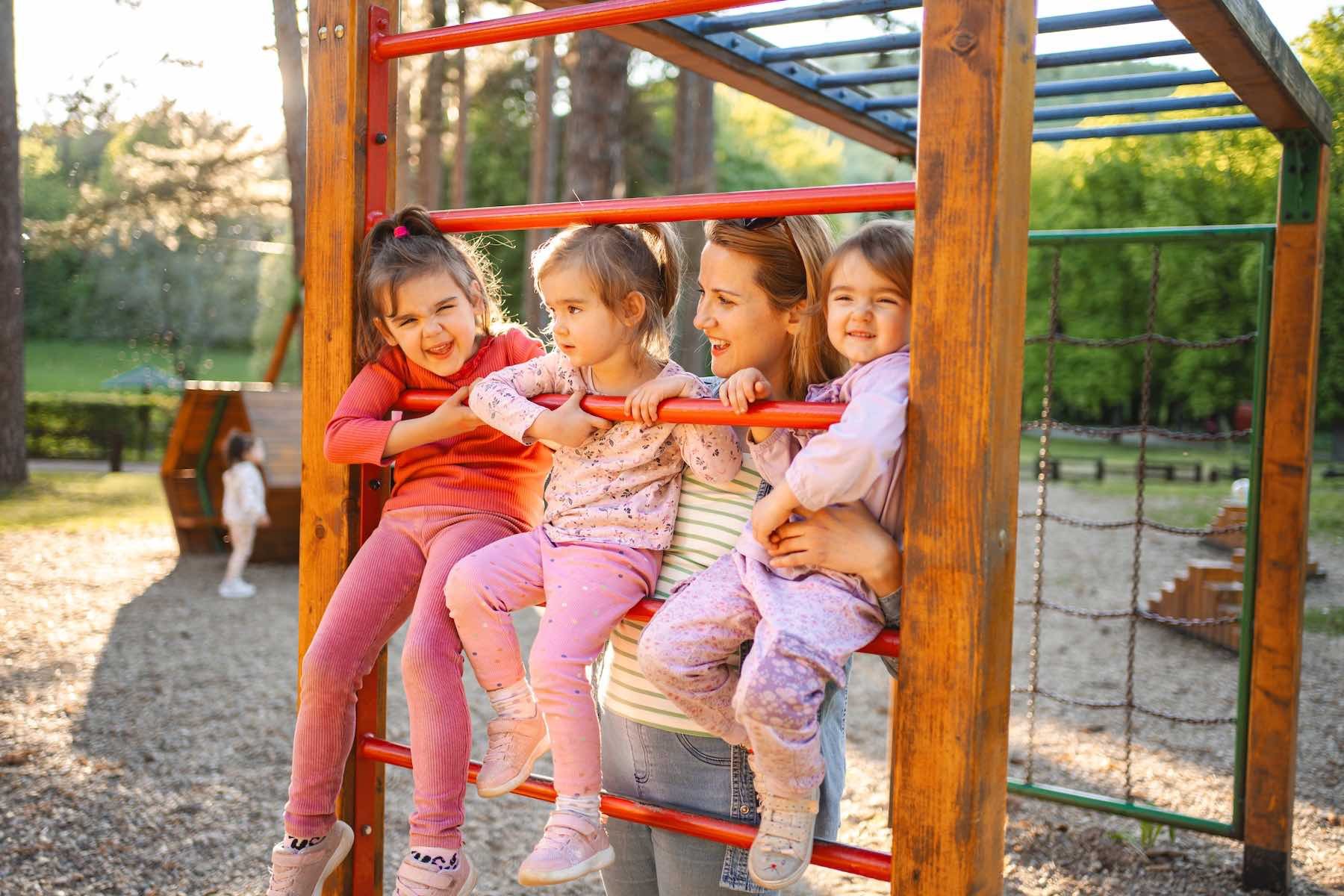
Gross motor skills are the large-muscle movements children use to control their bodies: balance, coordination, core stability, and spatial awareness. They're distinct from fine motor skills (the small, precise movements used for writing or doing up buttons), but the two are connected — a child with strong core stability and balance generally finds fine motor tasks easier too, simply because they're not using as much energy just to stay upright and steady.
Early Years practitioners look for these skills to develop through play: climbing frames, obstacle courses, ball games, and — increasingly — wheeled activities like scooting and skating.
Where roller skating fits in
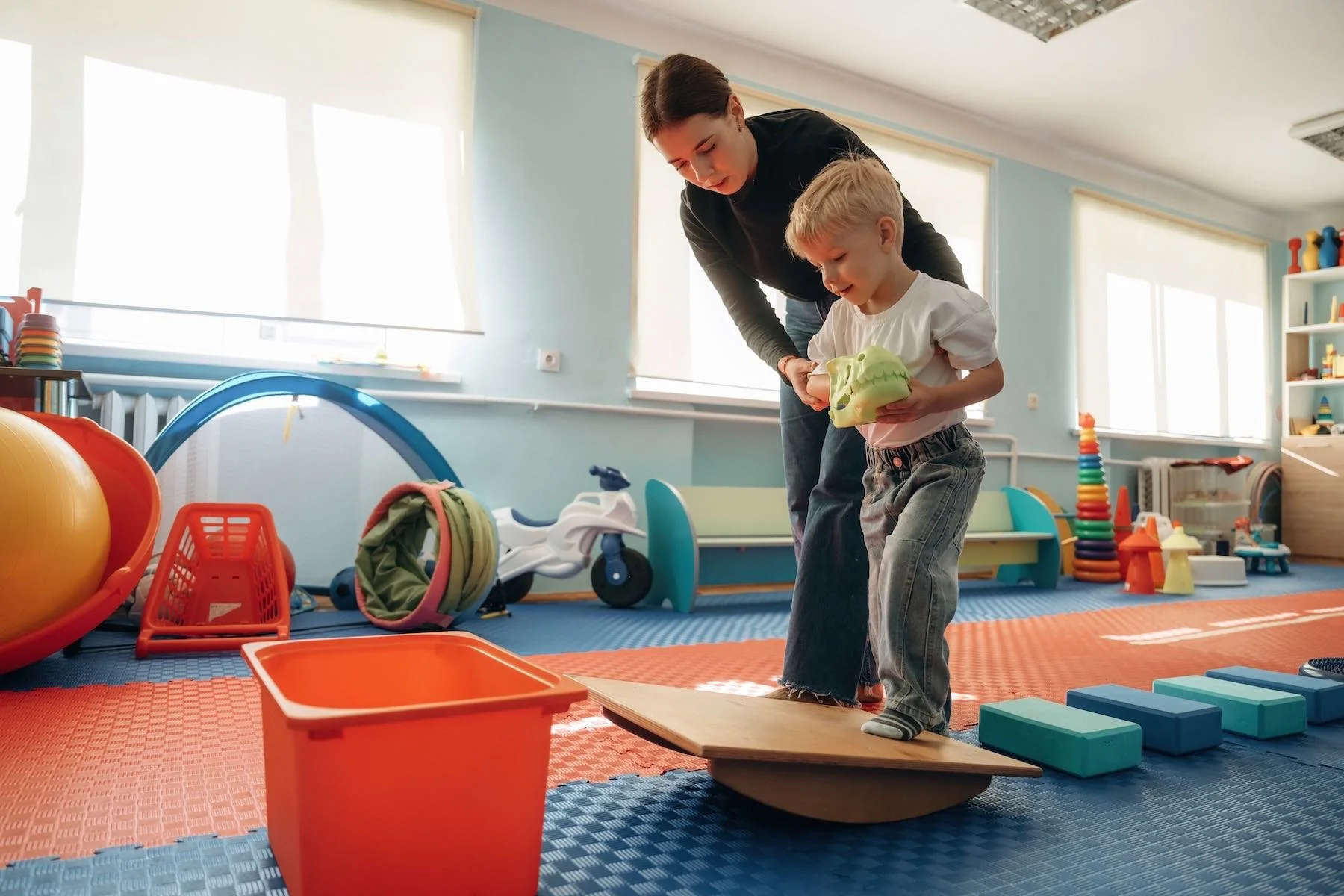
Skating asks a lot of a child's balance system in a short space of time. To stay upright, a skater has to continually adjust their centre of gravity, engage their core, and coordinate their legs independently of each other — skills that transfer well beyond the rink.
A recent comparative study following pre-schoolers through a 12-week programme found that children in a structured roller skating course showed measurable improvements in locomotor skills and overall gross motor development, broadly in line with children doing basketball or general physical training. Interestingly, the skating group's gains were strongest in balance-related locomotor tasks, while ball-based groups showed an edge in object-control skills like throwing and catching, which makes sense, and is a useful reminder that no single activity does everything. A well-rounded early years routine benefits from a mix.
The honest takeaway: roller skating is a genuinely good addition to a child's movement, not a replacement for all other activity.
What age should a child start?
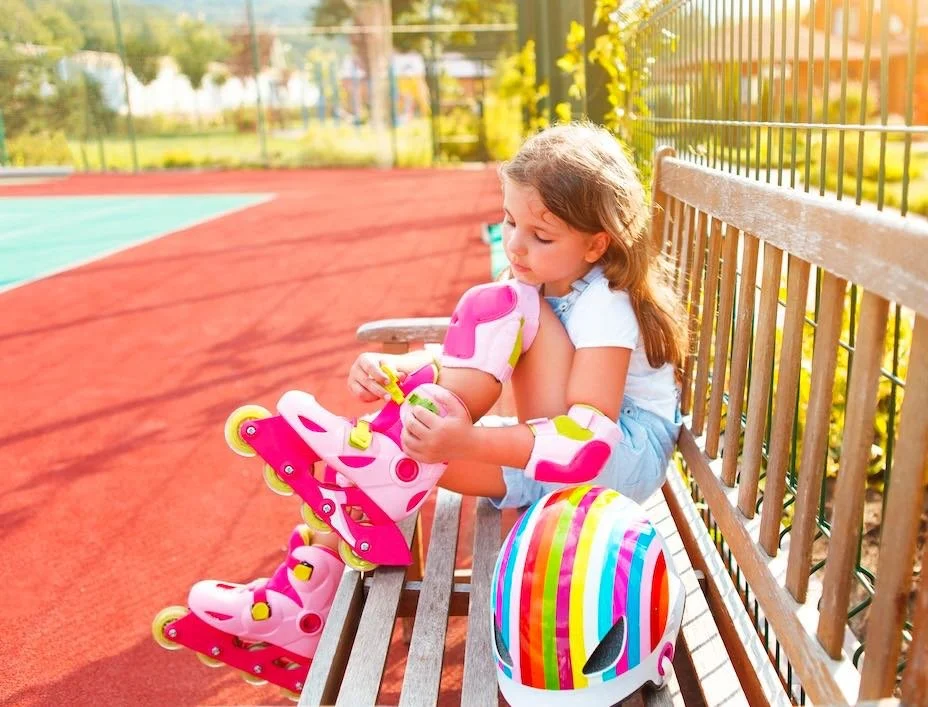
There's no universal cut-off, but most instructors look for a few readiness signs rather than a strict age:
Can stand unsupported and shift weight from foot to foot
Has enough balance to attempt a few steps without holding on constantly
Can follow simple two-step instructions ("bend your knees, then push")
For most children, this lines up somewhere between age 2 and 4, which is why programmes aimed at this age group tend to build in a lot of supported, playful groundwork before any actual rolling happens — think games that build balance and confidence on the floor first.
What to look for in a children's programme
Not all "kids' skating" is built the same way. If you're weighing up options, it's worth checking whether a programme:
Is structured around age-appropriate developmental stages rather than a one-size-fits-all class
Builds in floor-based balance and coordination games before introducing skates
Is run by someone trained specifically in teaching this age group, not just an adult skating instructor adapting on the fly
Has clear safety practices for a room full of unsteady beginners
RollerFitness's RollerTots programme is built with exactly this in mind — a 33-activity structure (23 activities plus 10 supporting exercises) designed for ages 2–5 and aligned to the EYFS framework, so the movement goals map onto what your child is already working on at nursery or school.
The bottom line
Gross motor skill development doesn't need to be complicated or expensive. Regular, varied movement — of which skating can be one enjoyable part — is what matters most. If your child is showing an interest in skating (or you're looking for something to add some variety to the usual park-and-playground rotation), it's a genuinely well-supported choice.
Curious whether RollerTots is right for your child?Take a look at the programme structure to see how the activities are sequenced by age and stage.